
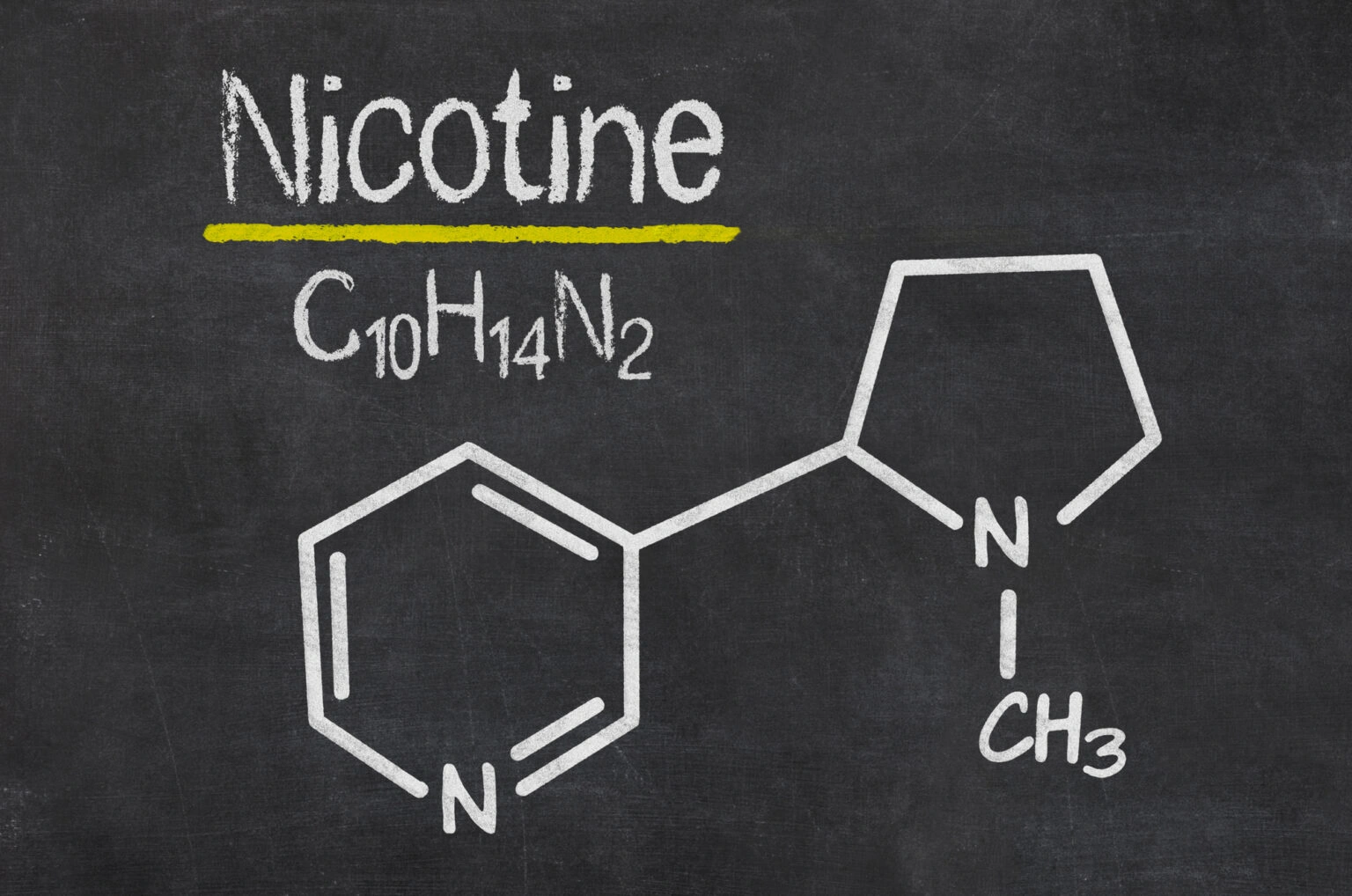
What are the actual effects of nicotine on health? An overview of scientific findings on cardiovascular risk, carcinogenesis and reproduction.
Introduction
Nicotine is the main psychoactive substance contained in tobacco and is responsible for its addictive nature. Tobacco smoking is widespread worldwide – the number of smokers exceeds 1 billion, making nicotine the second most commonly used psychoactive substance in the world. Although nicotine has a number of biological effects, scientific consensus confirms that nicotine is not a direct carcinogen. The carcinogenic effects of smoking are caused by substances produced during the combustion of tobacco, not by nicotine itself.
Main areas of nicotine’s effects
The effects of nicotine are most evident in three areas:
- Cardiovascular system
- Carcinogenesis
- Reproduction
Cardiovascular risk
Nicotine is a sympathomimetic that increases heart rate and blood pressure and releases catecholamines. These effects led to the hypothesis that it could promote atherogenesis. However, studies to date have not demonstrated an increase in cardiovascular risk in individuals without heart disease. A meta-analysis of 35 clinical studies, involving more than 9 000 participants, did not show a higher incidence of acute cardiovascular events when nicotine patches were used (Price et al., 2019).
Carcinogenesis
According to the FDA, the Royal College of Physicians and other authorities, nicotine is not a direct carcinogen. Experimental in vitro studies suggest that it could affect angiogenesis and proliferation, but this hypothesis has not been confirmed in humans. Tobacco smoking is carcinogenic because of substances produced during combustion, such as nitrosamines and polycyclic aromatic hydrocarbons, not because of nicotine.
Reproduction and foetal development
Nicotine has proven adverse effects on foetal development. The placenta slows its clearance, which leads to higher exposure of the foetus than of the mother. Studies show that nicotine can affect the development of the child’s brain and lungs, increase the risk of premature birth, low birth weight and congenital malformations (Price et al., 2019).
Addictive effects of nicotine
Nicotine binds to acetylcholine receptors in the brain, leading to a massive release of dopamine and a feeling of reward. This mechanism is the basis of physical dependence. Withdrawal symptoms appear after only a few hours and include irritability, anxiety, sleep disorders and increased appetite.
Harm Reduction: reducing risks
The concept of tobacco harm reduction (THR) consists of minimising exposure to carcinogens from tobacco smoke while maintaining nicotine use. This includes nicotine replacement therapy, such as patches, chewing gums and sprays, and innovative products such as electronic cigarettes, nicotine pouches or devices for heated tobacco. These alternatives can help dependent smokers reduce health risks if they are unable to stop smoking.
Conclusion
According to current evidence:
- Nicotine is not a direct carcinogen.
- It does not increase cardiovascular risk in healthy individuals.
- It has proven adverse effects on foetal development. Further studies are needed on the influence of nicotine on tumour growth and fertility. At a time of changing smoking habits, it is important to assess the effects of nicotine itself separately from tobacco smoking.
Sources used
- Sansone L, Milani F, Fabrizi R, et al. Nicotine: From Discovery to Biological Effects. Int J Mol Sci. 2023; 24(19):14570.
- Price LR, Martinez J. Cardiovascular, carcinogenic and reproductive effects of nicotine exposure: A narrative review. F1000Res. 2019; 8:1586.
- Králíková E. Nicotine, smoking and cardiovascular risks – basic terms. Kardiol Rev Int Med. 2020; 22(1):26-28.
- Nicotine and health. Drug Ther Bull. 2014; 52(7):78-81.